
Most "bad" instant coffee isn't bad coffee — it's bad technique. The same spoonful can taste harsh and watery one day and smooth and full the next, depending on a handful of small decisions. These nine fixes take no equipment and add almost no time.
1. Don't pour boiling water straight onto the coffee
Water at a full rolling boil can scald soluble coffee and push it towards bitterness. Switch the kettle off and let it rest for 30–60 seconds, or add a splash of cold water first. Water around 90–95 °C is a good target.
2. Measure — don't eyeball
A level teaspoon (roughly 2 g) in a 150–200 ml cup is a sensible starting point. Too much makes a cup harsh; too little tastes thin and sour. Change the amount by a quarter teaspoon at a time until it suits you.
3. Dissolve in a little hot water first
Stir the coffee into just a splash of hot water (a tablespoon or two) until it forms a smooth, glossy paste, then top up. This "bloom" step avoids clumps and lets the coffee dissolve evenly.
4. Use better water
Coffee is more than 98% water, so water quality shows. If your tap water tastes hard or chlorinated, use filtered water. It makes a noticeable difference, especially in black coffee.
5. Warm the cup
A cold ceramic mug drops the temperature quickly. Rinse the cup with hot water first and your coffee stays hot and aromatic for longer.
6. Pick milk deliberately
Whole milk gives the creamiest, sweetest result. Warm it first (don't boil it) and add it to the dissolved coffee. Toned milk is lighter; oat or almond milks change the flavour, so adjust the sugar to taste.
7. Add sweetness and spice carefully
A tiny pinch of salt can reduce perceived bitterness. A little cinnamon or cardamom adds warmth without sugar. Add sweetener last, after you've tasted the cup.
8. Whip it for a café-style top
For a frothy cup, whisk one teaspoon of coffee, one teaspoon of sugar and two tablespoons of hot water vigorously for a couple of minutes until pale and thick, then spoon it over hot or cold milk.
9. Start with a coffee that suits you
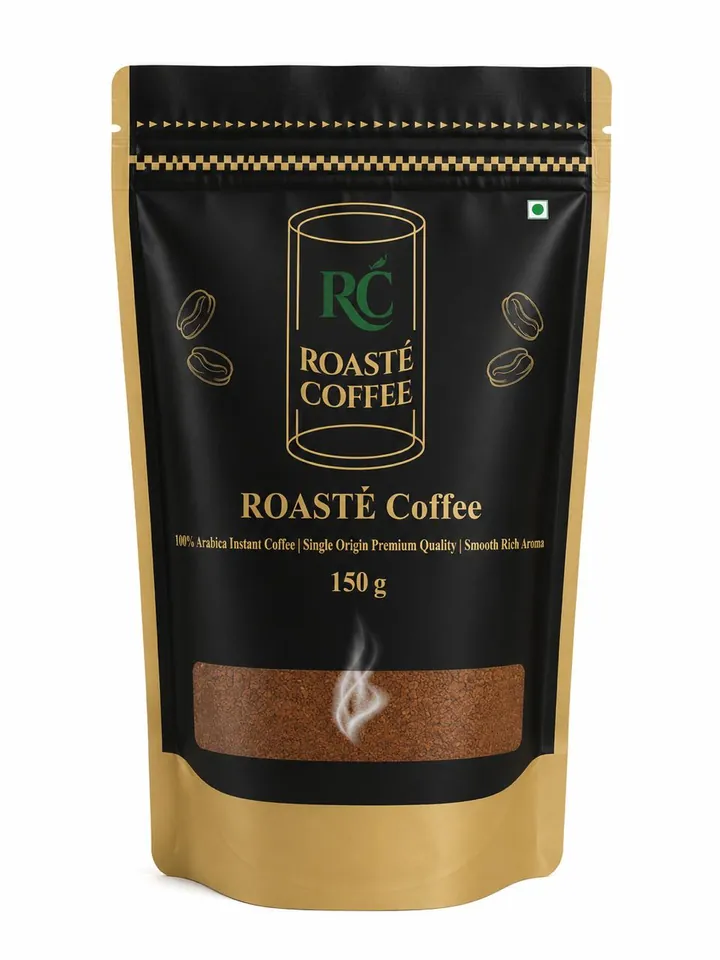
Technique can only do so much — ingredients matter. A 100% Arabica instant coffee generally has a smoother, less harsh profile than blends that include robusta or chicory. If you want to try one, see Roasté Instant Coffee (150 g), or browse the instant coffee collection.
Quick recipe: the everyday cup
- Add 1 level teaspoon of instant coffee to a warmed mug.
- Add 2 tablespoons of hot (not boiling) water and stir to a smooth paste.
- Top up with 150 ml hot water or hot milk.
- Taste, then adjust sweetness — not strength — first.
Frequently asked questions
Why does my instant coffee taste bitter?
Usually the water is too hot, the spoonful is too large, or the coffee is brewed too long before drinking. Rest the kettle for 30–60 seconds and measure a level teaspoon.
Should I use hot water or hot milk?
Both work. For the smoothest result, dissolve the coffee in a little hot water first, then top up with warm milk.